








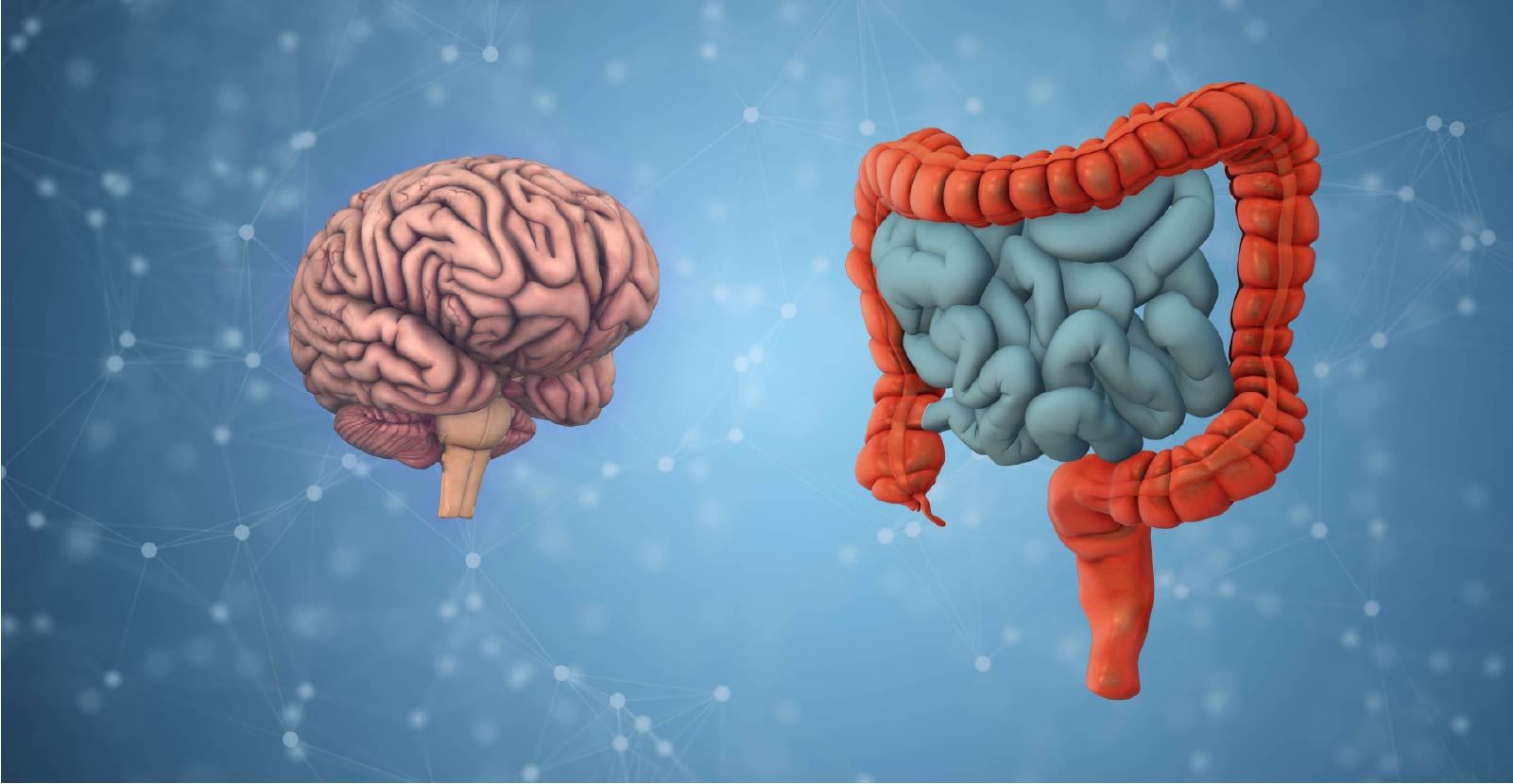
Have you ever felt “butterflies” in your stomach before a big presentation? Or noticed digestive discomfort during periods of high stress? These experiences occur because the gut and the brain are in constant communication through a complex network known as the gut-brain axis (GBA)—and this relationship plays a major role in both digestive, emotional and overall health.
The Connection Between the Gut and the Brain
The gut-brain axis is a bidirectional communication system between the central nervous system and the gastrointestinal tract. While the brain influences digestive function, the gut contains millions of neurons that send signals that affect mood, cognition, and stress resilience. In many ways, it functions like a second brain. When the gut is functioning optimally, these signaling pathways help maintain digestive regularity and healthy communication between the brain and digestive system.
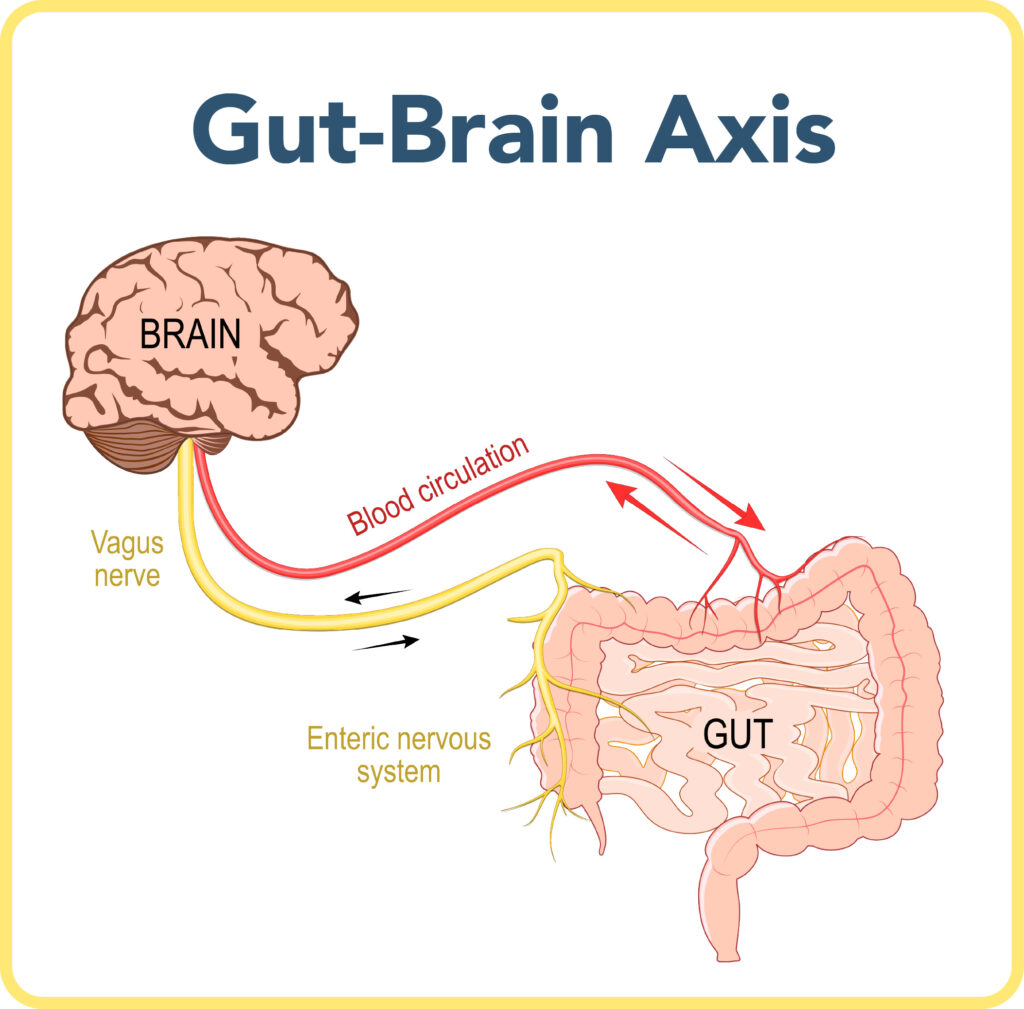
One of the most important players in this relationship is serotonin. While serotonin is commonly associated with mood and emotional well-being, about 90-95% of the body’s serotonin is actually produced in the gut. Beyond supporting mood balance, serotonin also helps regulate digestive motility, or the movement of food through the GI tract.
How Stress Affects GI Health
Stress triggers the body’s “fight or flight” response, releasing hormones like cortisol and adrenaline. While helpful in short-term situations, chronic stress can disrupt normal digestive processes. This is why digestive symptoms often flare during emotionally straining periods, poor sleep, travel, or times of high anxiety. The connection is not psychological or “all in your head”– it is physiological. The brain and gut are constantly signaling to one another, and when stress levels rise, the gut is often one of the first places the body feels it, resulting in physical manifestations.
For some individuals, stress may slow digestive motility, contributing to feelings of fullness, bloating or constipation. For others, stress may accelerate motility, leading to urgency, loose stools or diarrhea. During periods of stress, the gut can also become more sensitive to normal digestive activity. This heightened sensitivity may make bloating or cramping feel more intense. Additionally, stress can influence stomach acid production, digestive enzyme activity, nutrient absorption and intestinal permeability.
The gut microbiome is also impacted by stress. The trillions of bacteria living within the GI tract help produce neurotransmitters, modulate inflammation, and support healthy digestion. When stress levels remain elevated, the microbiome can become imbalanced, potentially contributing to digestive discomfort, inflammation and changes in mood or energy levels.
Supporting the Gut-Brain Axis Naturally
Because the gut and brain are so closely connected, supporting digestive health often requires a broader approach that also addresses stress and nervous system balance. Lifestyle adjustments such as prioritizing sleep, recovery, regular movement, hydration, stress management and balanced, fiber-rich meals can all positively influence the gut-brain axis.
In addition to these healthy lifestyle habits, supplements may also support digestive comfort, GI function and a healthy stress response. Probiotics help maintain a balanced gut microbiome, promoting digestive comfort, while l-theanine supports relaxation and a healthy stress response. Chronic stress can also deplete magnesium, which is essential for sound sleep and healthy muscle contractions throughout the GI tract.
While these ingredients support either emotional wellness or digestive comfort, there are limited supplements that target the gut-brain axis specifically. One such ingredient is Digexin®, a clinically-studied blend of ashwagandha and okra extracts. This blend works by increasing serotonin to stimulate the movement of food through the GI tract, decreasing cortisol to lower stress levels, and increasing gastrin levels to improve digestive function.
A Whole-Body Perspective on Digestive Health
The growing research surrounding the gut-brain axis highlights an important shift in how we think about digestive wellness. The digestive tract is far more than a system for breaking down food and GI health is not isolated from the rest of the body—it is deeply intertwined with stress, mood, sleep, and nervous system function. Managing stress and supporting digestive health go hand in hand, and by addressing both sides of the gut-brain axis, individuals may be better equipped to maintain digestive comfort, regularity, resilience to stress, and overall quality of life.